Why HIFU Is the Future of Non-Invasive Aesthetic Medicine
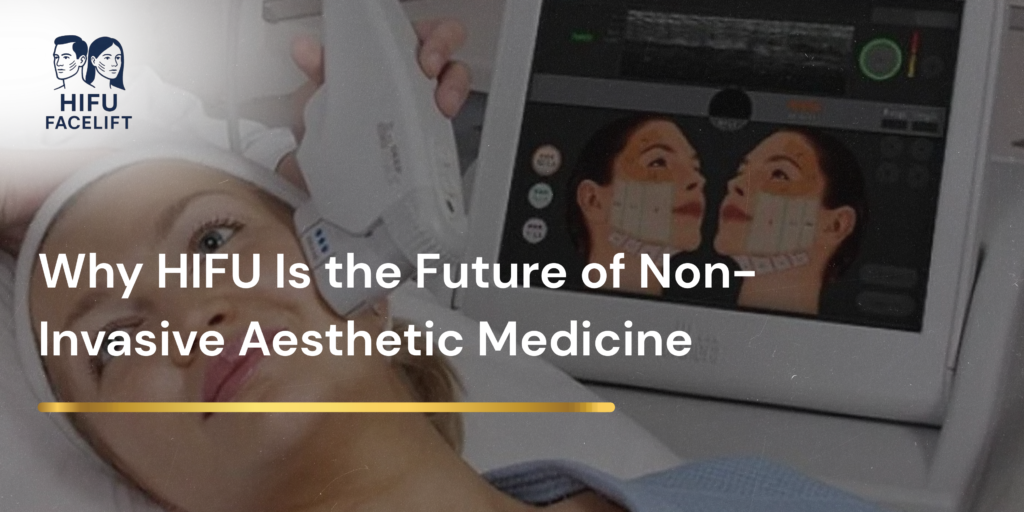
Non-invasive aesthetic treatments have gained immense popularity in recent years, and HIFU (High-Intensity Focused Ultrasound) is at the forefront of this revolution. As people seek out non-surgical solutions for skin tightening, anti-ageing, and facial rejuvenation, HIFU has emerged as a top choice, offering impressive results without the risks, downtime, and costs of traditional surgery.
But what makes HIFU the future of non-invasive aesthetic medicine? In this blog, we’ll explore why HIFU is changing the landscape of aesthetic medicine, its unique benefits, and why it’s gaining popularity worldwide. Read on to understand how HIFU is shaping the future of non-surgical treatments, and why you should consider this innovative technology for your skin rejuvenation needs.
What Is HIFU and How Does It Work?
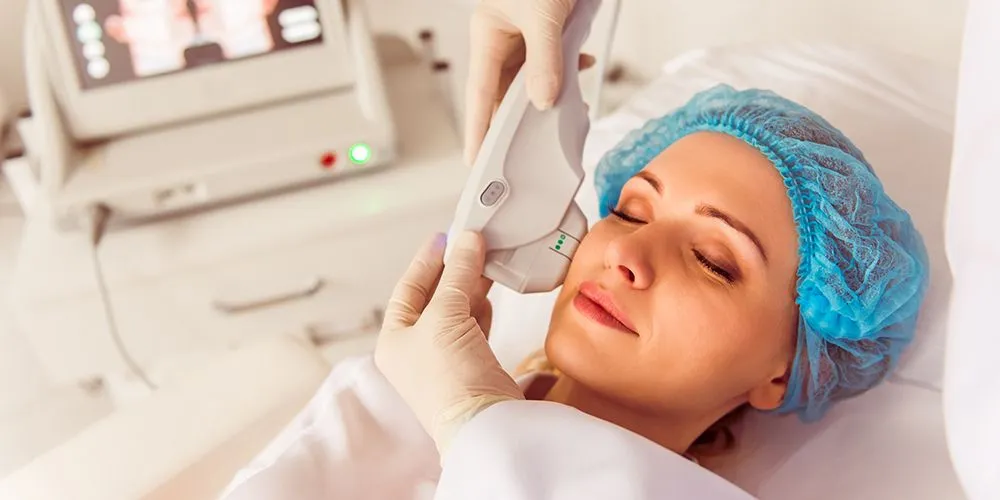
HIFU (High-Intensity Focused Ultrasound) is an advanced, non-invasive treatment that uses focused ultrasound energy to penetrate the skin at deeper levels. This energy targets the SMAS layer (Superficial Muscular Aponeurotic System), the layer typically addressed in a surgical facelift, to stimulate collagen production and tighten the skin.
Unlike lasers or other superficial treatments, HIFU works by delivering ultrasound waves deep into the skin’s structure, causing thermal coagulation at specific depths. This process encourages the body’s natural healing response and boosts collagen, which leads to firmer, tighter, and more youthful-looking skin over time.
Why HIFU Is Different from Other Non-Invasive Treatments
While there are many other non-invasive aesthetic treatments, what sets HIFU apart is its ability to treat deeper layers of the skin, targeting the SMAS. Many traditional non-invasive treatments work on the surface layer of the skin or the dermis. HIFU, on the other hand, can penetrate to deeper layers, which is why it’s often referred to as a non-surgical facelift.
The Rising Popularity of Non-Invasive Aesthetic Treatments
In the past, surgical facelifts were the only option for those seeking significant facial rejuvenation. However, as demand for less invasive treatments has grown, so has the popularity of non-surgical alternatives. Treatments like Botox, dermal fillers, and HIFU have become mainstays in modern aesthetic medicine.
Why Non-Invasive Treatments Are Gaining Traction
- Less Risk: Non-invasive treatments like HIFU are much safer than traditional surgeries because they don’t involve incisions, stitches, or general anaesthesia.
- Minimal Downtime: HIFU requires little to no downtime compared to surgery, meaning you can return to your regular activities immediately after the treatment.
- Natural Results: Many people prefer the more natural-looking results that non-invasive treatments offer. HIFU delivers gradual, subtle improvements that avoid the “pulled” appearance of a traditional facelift.
Why HIFU Is Revolutionizing Aesthetic Medicine
HIFU isn’t just a passing trend—it’s transforming the world of non-invasive aesthetics. Here’s why:
1) Advanced Technology with Proven Results
HIFU technology is backed by scientific research and clinical studies, proving its effectiveness in tightening the skin, lifting sagging areas, and stimulating collagen production. Unlike some treatments that focus only on superficial skin layers, HIFU targets deep tissue layers, making it ideal for those with mild to moderate skin laxity.
2) Non-Surgical, Non-Invasive Treatment
One of the biggest appeals of HIFU is that it is non-surgical and non-invasive. There’s no need for incisions or scarring. HIFU works by using ultrasound energy to stimulate your body’s natural collagen production, which provides long-lasting results with minimal discomfort.
3) Long-Term Benefits and Natural Results
With HIFU, the results are not immediate, but they’re long-lasting. As collagen builds up in the skin, you’ll notice gradual improvements over time. HIFU’s gradual and natural approach makes it a preferred option for those who want results that develop over a few months, rather than instant drastic changes that can sometimes look unnatural.
4) Cost-Effective Solution
While surgical facelifts can cost thousands of pounds, HIFU is much more affordable. Not only does it eliminate the need for expensive surgeries, but it also reduces the cost of post-operative care and recovery time. For many people, HIFU offers an economical solution to skin tightening and rejuvenation.
The Benefits of HIFU Facelift
Here’s why HIFU is quickly becoming the go-to choice for non-surgical facelifts:
1) Lifts and Tightens the Skin
HIFU is one of the few non-invasive treatments that can actually lift and tighten skin from within. It stimulates the production of collagen, which helps tighten and lift sagging skin around the jawline, neck, cheeks, and brow.
2) Reduces Fine Lines and Wrinkles
With its collagen-stimulating effects, HIFU can significantly reduce the appearance of fine lines and wrinkles. Over time, your skin becomes firmer, and wrinkles start to smooth out naturally.
3) Long-Lasting Results
Unlike many superficial treatments, HIFU offers long-lasting effects. The results can last for 12–18 months, and maintenance treatments can help keep your skin firm and youthful-looking for longer.
4) Suitable for All Skin Types
HIFU is safe and effective for all skin types. Whether you’re in your 30s and want to prevent early signs of ageing, or in your 50s and looking to address more visible sagging and wrinkles, HIFU can help improve your skin’s elasticity and overall appearance.
What to Expect During a HIFU Treatment
Consultation
The process begins with a consultation where your aesthetic practitioner will assess your skin condition and discuss your goals. They will then design a personalized treatment plan tailored to your needs.
Treatment
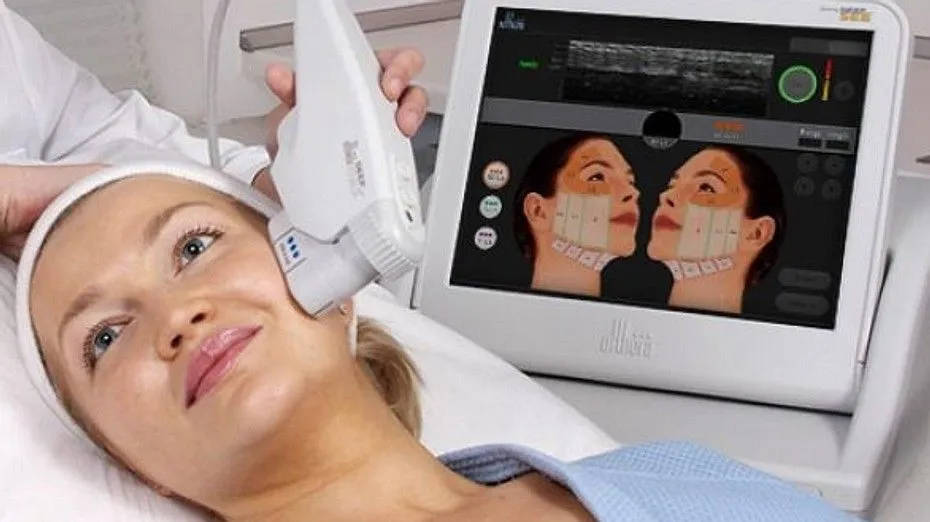
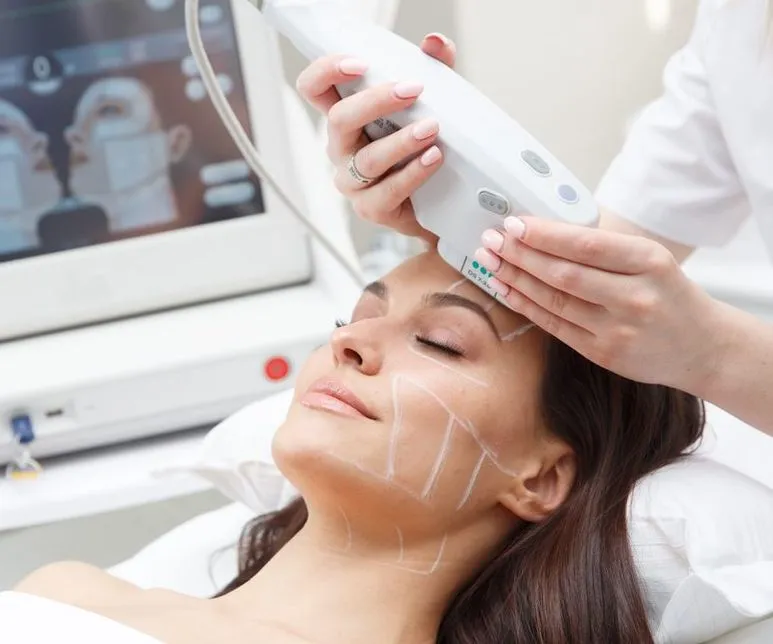
During the HIFU session, your practitioner will apply a gel to the treatment area. The HIFU device will be used to deliver ultrasound energy deep into the skin. Depending on the areas treated, the session can take anywhere from 45 minutes to 2 hours.
Aftercare
After your HIFU treatment, you may experience some mild redness or swelling, but these side effects usually subside within a few hours. Most patients can return to normal activities immediately after the treatment. Your practitioner will provide aftercare instructions, which may include avoiding sun exposure and harsh skincare products for a few days.
Why HIFU Is the Future of Non-Invasive Aesthetic Medicine
HIFU is revolutionizing the world of aesthetic treatments. Here are some key reasons why HIFU is considered the future of non-invasive aesthetic medicine:
1) No Surgery, No Downtime
With the growing demand for treatments that require little to no downtime, HIFU is leading the way. People no longer want to spend weeks recovering from surgery when they can get similar results with a non-surgical, non-invasive solution like HIFU.
2) Targeting Deeper Layers
Unlike other treatments that only target the surface layers of the skin, HIFU goes deeper to the SMAS layer, which is the layer typically treated during a surgical facelift. This allows for a more effective lift and long-term tightening of the skin.
3) Personalized Treatment Plans
HIFU can be tailored to individual needs, addressing specific concerns like jawline sagging, neck tightening, or cheek lifting. Each patient receives a customized treatment that targets their specific aesthetic goals.
4) Results Without Compromise
HIFU provides natural-looking results without the harsh, immediate effects of surgery. Patients can gradually see their skin become firmer, tighter, and more youthful without compromising on their natural features.
FAQs About HIFU Facelift
Find us
Book a Consultation Today
For consultation at the HIFU Clinics, simply complete the Enquiry form below, and we’ll reach out to schedule your appointment with one of our clinic specialists.