How Lifestyle Affects HIFU Results: Diet, Sleep & Skincare
If you’ve recently undergone a HIFU facelift or are considering the treatment, you might be wondering how you can enhance and prolong your results. One of the best things you can do is make sure you’re taking care of your skin, diet, and lifestyle. HIFU is a non-invasive treatment that stimulates collagen production and tightens the skin, but the results can be influenced by various lifestyle factors.
In this blog, we will explore how diet, sleep, and skincare can impact the effectiveness of your HIFU treatment and help you achieve the best possible results.
How Does HIFU Work?
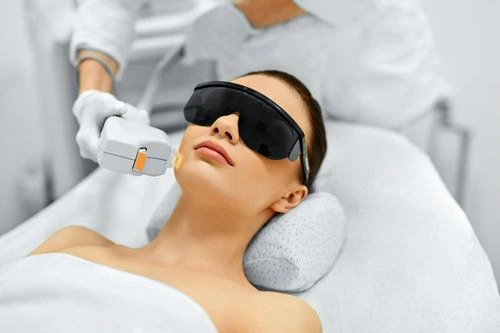
HIFU (High-Intensity Focused Ultrasound) uses targeted ultrasound energy to penetrate the deeper layers of the skin. This stimulates collagen production, leading to skin tightening and the reduction of fine lines and wrinkles. Unlike other skin treatments that focus on surface layers, HIFU targets deeper skin layers, giving it a unique ability to lift and tighten.
While HIFU results typically improve over 2–3 months, maintaining and enhancing the benefits often comes down to how well you take care of your skin afterward. Lifestyle factors like diet, sleep, and skincare play a significant role in this.
1) How Diet Affects Your HIFU Results
Your diet can significantly impact the effectiveness of HIFU skin tightening results. Collagen production and the overall health of your skin are influenced by the nutrients you consume. Here’s how your diet can affect your HIFU outcomes:
Key Nutrients for Skin Health
- Vitamin C: This essential nutrient plays a crucial role in collagen synthesis, which is vital for the effects of HIFU. Eating citrus fruits, berries, leafy greens, and bell peppers can help boost collagen production and support the HIFU process.
- Antioxidants: Foods rich in antioxidants, such as green tea, berries, nuts, and seeds, help fight free radicals and reduce oxidative stress. This not only improves skin health but also helps preserve collagen and maintain youthful skin.
- Healthy Fats: Omega-3 fatty acids found in salmon, avocados, and nuts help keep the skin hydrated, which is crucial for collagen and skin elasticity.
- Water: Hydration is essential for maintaining the health of your skin. Drinking plenty of water keeps your skin looking plump and moisturized, which can improve the results of HIFU.
Foods to Avoid
- Excess sugar: High sugar consumption can lead to glycation, which breaks down collagen and accelerates ageing. Try to limit your intake of sugary snacks and processed foods to maintain your skin’s elasticity.
- Processed foods: Foods high in refined carbs, such as white bread, pasta, and snacks, can cause inflammation and may slow down the collagen-building process.
2) The Importance of Sleep for HIFU Results
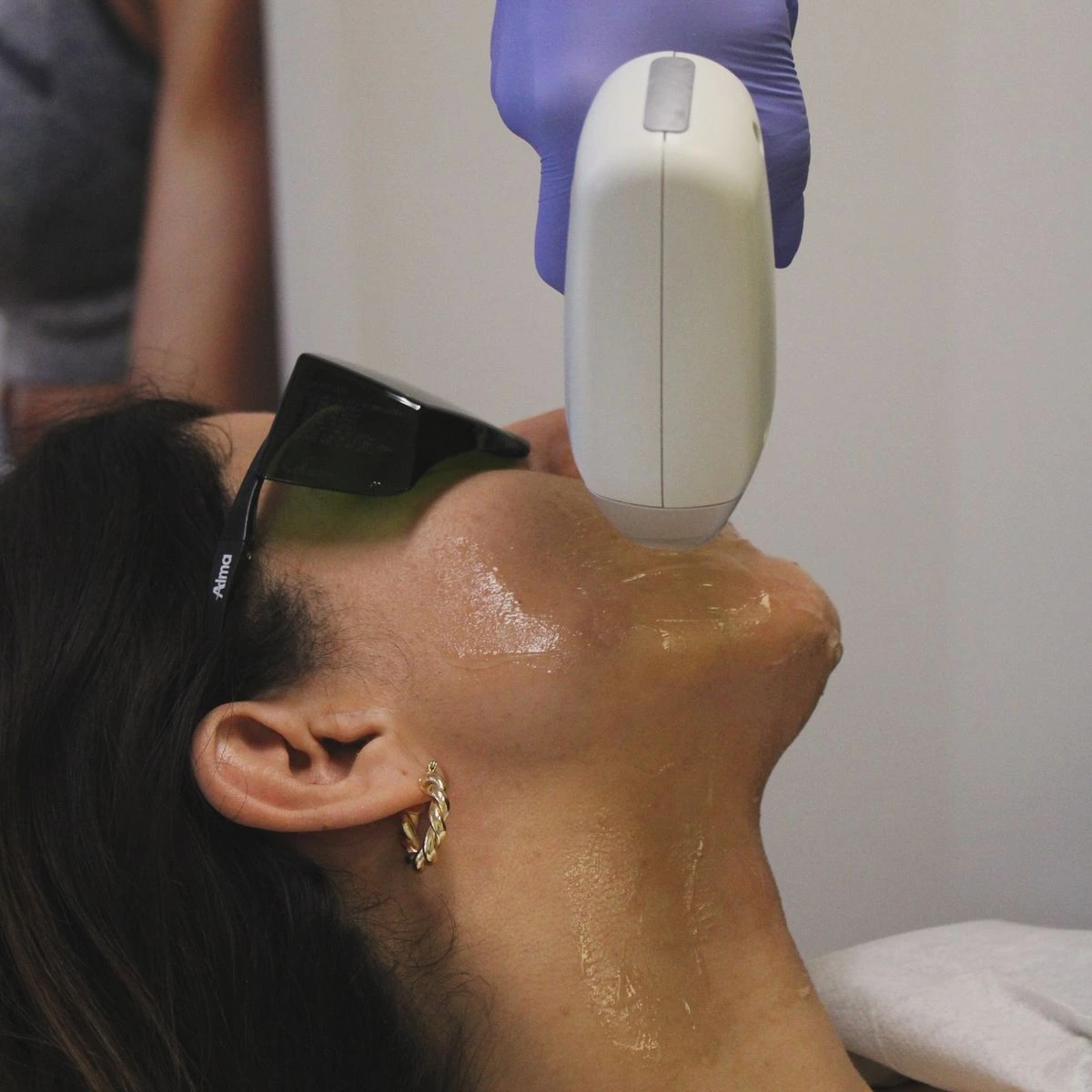
Good sleep hygiene plays a crucial role in the recovery process after any skin treatment, including HIFU facelifts. Sleep is when your body goes into repair mode, including skin regeneration.
How Sleep Affects Skin Health
- Collagen production: During deep sleep, your body produces more collagen. Consistent, restful sleep helps maintain the skin’s strength and structure, which can support the collagen-boosting effects of HIFU.
- Reduced inflammation: Sleep helps regulate your immune system, which can reduce inflammation and puffiness in the skin. This is essential after HIFU, as inflammation can temporarily affect results.
- Cell regeneration: The body’s ability to repair damaged skin cells and generate new, healthy cells is heightened during sleep. This process can enhance the rejuvenating effects of HIFU.
Tips for Better Sleep
- Aim for 7–9 hours of quality sleep each night.
- Create a relaxing bedtime routine and avoid screens at least an hour before bed.
- Keep your bedroom cool, dark, and quiet to encourage deep sleep.
3) How Skincare Can Impact Your HIFU Results
After HIFU treatment, maintaining a skincare routine is crucial for maximizing results and prolonging the effects of the treatment. Here’s how your skincare habits can support or hinder your HIFU results:
Post-HIFU Skincare Tips
- Moisturize: Keeping your skin well-moisturized is essential for improving elasticity and collagen production. Hydrating serums or moisturizers with ingredients like hyaluronic acid or glycerin can support your skin’s hydration levels and help maintain the lifted, firmed appearance post-HIFU.
- Use SPF Daily: Sun exposure can damage collagen and promote wrinkles, which can reverse the effects of your HIFU treatment. Make sure to apply a high-SPF sunscreen every day, even on cloudy days.
- Gentle Cleansing: After HIFU, your skin might be sensitive. Use a gentle, non-abrasive cleanser that doesn’t strip away moisture. Avoid scrubs or exfoliating treatments for the first few days after treatment.
- Anti-Aging Products: Incorporating retinoids or vitamin C serums into your routine can help support collagen production and enhance your results over time. However, avoid these products right after HIFU, as they may irritate sensitive skin. Consult your practitioner for a recommended regimen.
Skincare Ingredients to Avoid After HIFU
- Retinol: While retinol is excellent for collagen production, it can cause irritation post-HIFU. Wait a few days before using retinol-based products after your treatment.
Harsh Exfoliators: Avoid physical exfoliants (scrubs) and chemical exfoliants (AHAs/BHAs) for at least 1-2 weeks after your treatment to prevent irritation.
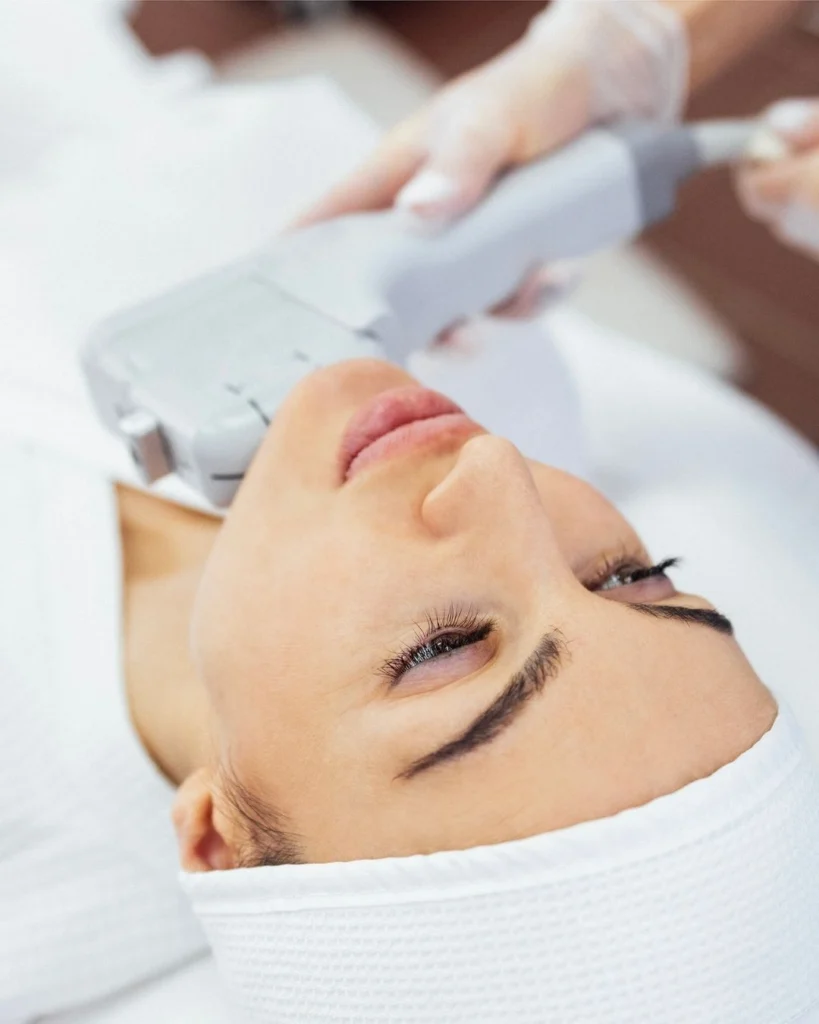
How Lifestyle Changes Improve HIFU Results
To get the most out of your HIFU facelift and maintain your results, it’s essential to adopt a healthy lifestyle that supports collagen production, skin health, and overall well-being.
Here are some tips to support your skin and HIFU results:
- Regular Exercise: Exercise boosts circulation, which helps deliver oxygen and nutrients to the skin. It can also reduce stress, which can negatively impact collagen production.
- Stress Management: High levels of stress increase the production of cortisol, which can damage collagen. Practice relaxation techniques like yoga, meditation, or deep breathing to help manage stress.
- Avoid Smoking: Smoking accelerates skin aging by reducing blood flow to the skin and breaking down collagen. If you smoke, quitting can significantly improve your skin’s appearance and the effectiveness of HIFU.
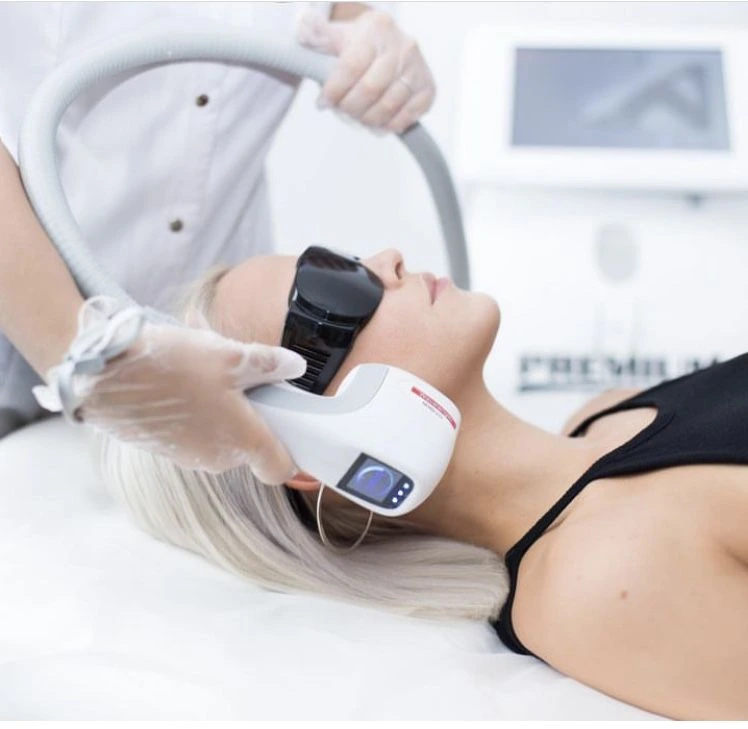
FAQs About HIFU and How Lifestyle Affects Its Results
Find us
Book a Consultation Today
For consultation at the HIFU Clinics, simply complete the Enquiry form below, and we’ll reach out to schedule your appointment with one of our clinic specialists.