As non-surgical facial treatments grow in popularity, many people considering HIFU (High-Intensity Focused Ultrasound) ask an important question:
Can HIFU damage facial fat?
Online forums and social media sometimes claim that HIFU causes facial thinning or unwanted fat loss. While these concerns sound alarming, they are often misunderstood or taken out of context.
In this article, we break down the myths vs facts surrounding HIFU and facial fat, explain how HIFU actually works, and clarify when risks may occur—and how to avoid them entirely.
What Is HIFU and How Does It Work?
HIFU is a non-invasive treatment that uses focused ultrasound energy to stimulate collagen production in the deep layers of the skin. It targets the SMAS layer, the same layer addressed during surgical facelifts.
Unlike surface treatments, HIFU bypasses the epidermis and dermis to deliver precise thermal energy at specific depths.
Key Purpose of HIFU
Lift and tighten skin
Stimulate collagen regeneration
Improve firmness and elasticity
Create natural, gradual rejuvenation
Learn more about the treatment on our HIFU Facelift service page.
Understanding Facial Fat: Why It Matters
Facial fat plays a crucial role in maintaining:
Youthful facial volume
Soft contours
Natural facial balance
Loss of facial fat—due to ageing, weight loss, or incorrect treatment—can result in a hollow or gaunt appearance.
This is why concerns about HIFU facial fat loss deserve a factual, evidence-based explanation.
Myth #1: HIFU Always Destroys Facial Fat
❌ Myth
HIFU is not designed to target or destroy facial fat.
✅ Fact
When used correctly, HIFU targets skin tightening layers, not fat cells. The energy is delivered at controlled depths intended for collagen stimulation, not fat reduction.
Facial fat damage is not an expected outcome of properly administered HIFU.
Myth #2: HIFU Causes Permanent Facial Thinning
❌ Myth
Some people confuse post-treatment tightening with volume loss.
✅ Fact
HIFU causes tissue contraction, not fat loss. As the skin tightens and lifts, facial contours can appear more defined—sometimes mistaken as thinning.
True fat loss is rare and usually linked to:
Incorrect energy depth
Over-treatment
Inexperienced practitioners
When Can Facial Fat Loss Occur? (The Real Risk Factors)
While rare, facial fat damage can occur under specific conditions:
⚠️ Risk Factors
Excessive energy settings
Incorrect cartridge depth
Too many passes in one session
Treating areas with minimal fat (e.g. temples)
Unqualified or poorly trained providers
This is why choosing a specialist clinic matters.
Myth #3: All HIFU Devices Are the Same
❌ Myth
✅ Fact
Different HIFU devices vary in:
Precision
Energy control
Safety calibration
At HIFU Facelift, treatments are performed using medically approved equipment and tailored settings to ensure facial fat is preserved.
View our pricing and consultation options on the pricing page.
How Professional HIFU Avoids Facial Fat Damage
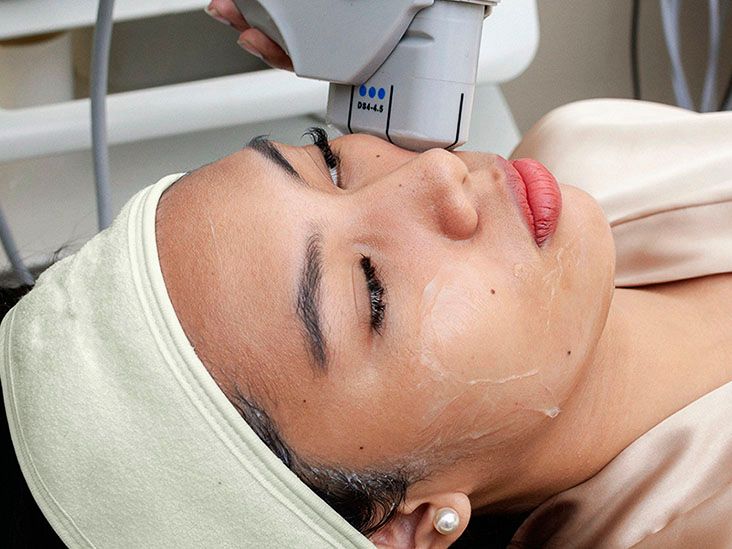
Experienced practitioners prevent fat damage by:
✔ Selecting correct depth cartridges
✔ Adjusting energy levels by facial area
✔ Avoiding over-treatment
✔ Mapping facial anatomy carefully
A customised treatment plan is essential.
Myth #4: HIFU Is Unsafe for Slim Faces
❌ Myth
✅ Fact
HIFU can be safe for slimmer faces when performed conservatively.
Lower energy settings and strategic placement ensure tightening without volume loss. In some cases, HIFU is combined with subtle volumisation treatments for optimal balance.
HIFU vs Fat-Dissolving Treatments

| Treatment | Purpose | Fat Reduction |
|---|---|---|
| HIFU | Skin tightening | ❌ No |
| Fat dissolving injections | Fat removal | ✅ Yes |
| RF tightening | Mild tightening | ❌ No |
HIFU should never be confused with fat-dissolving procedures.
Signs of Proper HIFU Results
Healthy HIFU results include:
Lifted contours
Firmer skin
Improved jawline definition
Natural facial fullness maintained
If fat loss is noticed, it may indicate incorrect application.
What to Ask Before Getting HIFU
Before booking treatment, ask:
What depths will be used?
How many passes are planned?
Is facial fat preservation considered?
What experience does the practitioner have?
Schedule a professional consultation via our contact page.
Why Choose HIFU Facelift?
At HIFU Facelift, safety and natural results come first.
✔ Experienced female practitioners
✔ Medically approved devices
✔ Conservative, anatomy-led protocols
✔ Fully insured treatments
Book a consultation to discuss your concerns openly.
Conclusion: Myth vs Fact Final Verdict
Myth: HIFU always damages facial fat
Fact: Correctly performed HIFU is safe, effective, and preserves natural facial volume
The key difference lies in expert application, not the technology itself.
If you’re considering HIFU and want results without risk, professional assessment is essential.