Why Some HIFU Treatments Don’t Work — And How UK Patients Can Ensure Better Results
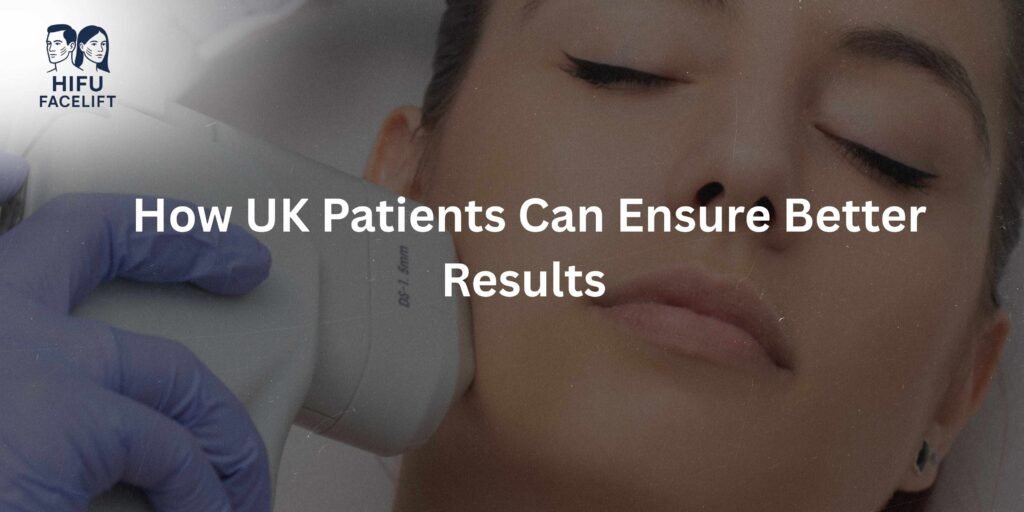
Non-surgical facial rejuvenation has become increasingly popular across the UK, with many patients choosing High-Intensity Focused Ultrasound (HIFU) as an alternative to traditional surgical lifting procedures. Designed to tighten and lift ageing skin without downtime, HIFU treatment works by stimulating the body’s natural collagen production rather than altering facial structure.
Despite its growing popularity, many patients researching treatment online notice mixed reviews. Some individuals report impressive lifting and tightening, while others feel their results were minimal. This often leads to one important question — why does HIFU work exceptionally well for some people but not for others?
In reality, treatment success depends less on the procedure itself and more on clinical assessment, technology quality, and realistic expectations before treatment begins.
How HIFU Works Beneath the Skin
HIFU works differently from surface-level cosmetic treatments. Instead of targeting only the outer skin, focused ultrasound energy reaches deeper structural layers responsible for facial support. These deeper tissues include the SMAS layer, which is also addressed during surgical facelift procedures.
Medical research published through the National Library of Medicine explains that micro-focused ultrasound stimulates collagen remodelling by creating controlled thermal coagulation points beneath the skin, encouraging natural tissue tightening over time.
Because collagen regeneration is gradual, visible improvement develops progressively rather than immediately. Patients considering a professional HIFU facelift treatment often notice firmness improving over several weeks as new collagen forms naturally.
The Real Reasons Some HIFU Treatments Show Limited Results
One of the most common reasons behind disappointing outcomes is incorrect patient selection. According to guidance discussed by the American Society for Dermatologic Surgery, non-surgical tightening procedures deliver optimal results in patients with mild to moderate skin laxity rather than advanced sagging.
Technology differences also significantly affect treatment outcomes. Not all HIFU devices deliver energy at consistent depths. Advanced medical-grade systems are specifically designed to reach collagen-producing layers safely and effectively, while lower-quality devices may stimulate only superficial tissue.
Practitioner expertise further influences success. Facial anatomy varies between individuals, meaning treatment depth and coverage must be customised carefully. Clinics offering personalised consultations, such as specialised HIFU treatment in Leeds, generally achieve more predictable lifting outcomes.
Another important factor involves expectations surrounding results. Clinical information from the British College of Aesthetic Medicine confirms that collagen regeneration continues for up to several months following ultrasound-based treatments.
Patients expecting instant lifting may wrongly assume treatment failure while biological improvement is still developing beneath the skin.
When HIFU Delivers the Best Results
HIFU tends to perform best in individuals beginning to notice early facial ageing. Mild skin laxity around the jawline, cheeks, or neck often responds particularly well because collagen production remains responsive to stimulation.
Evidence shared by dermatology research platforms such as DermNet NZ, an internationally trusted dermatology resource used by UK practitioners, highlights that collagen-stimulating procedures achieve gradual improvement rather than dramatic overnight transformation.
Patients researching treatment suitability often begin by reviewing clinical information available on the HIFU Facelift UK , where treatment planning focuses on realistic expectations.
If you’re unsure whether HIFU is suitable for your skin concerns, a personalised consultation can help determine realistic lifting outcomes based on your facial structure and skin condition. Booking a consultation allows you to receive professional guidance and understand what results you can realistically expect from treatment.
Choosing the Right HIFU Clinic in the UK
Successful outcomes depend heavily on consultation quality and practitioner experience. A proper assessment evaluates skin thickness, ageing severity, and expected lifting potential before treatment begins.
Guidance from the Care Quality Commission (CQC) — the UK’s independent regulator of healthcare services — emphasises the importance of qualified practitioners and safe clinical environments when undergoing aesthetic procedures.
Choosing an experienced clinic ensures treatment planning is tailored rather than standardised, significantly improving treatment satisfaction.
What Patients Typically Notice After Treatment
Immediately after treatment, some patients experience mild tightness or subtle firmness. This initial response reflects tissue stimulation rather than final lifting results.
Over the following weeks, collagen regeneration strengthens structural support beneath the skin. Around six to eight weeks post-treatment, improvements in contour definition and skin texture often become noticeable. Enhancement continues gradually for up to three months, creating natural rejuvenation without drastic change.
Because improvement occurs progressively, results often appear refreshed rather than cosmetically altered.
Ensuring the Best Possible Outcome From HIFU Treatment
Achieving optimal results begins with realistic expectations and personalised clinical planning. Understanding whether HIFU aligns with individual skin concerns allows patients to approach treatment confidently.
When advanced ultrasound technology combines with experienced medical assessment, HIFU remains one of the safest and most effective non-surgical lifting treatments currently available.
Considering HIFU Treatment in the UK?
If you are considering non-surgical facial lifting and want to understand whether HIFU is suitable for your skin, booking a professional consultation provides personalised guidance based on your goals and skin condition.
HIFU treatment is particularly effective for patients experiencing early skin laxity rather than advanced sagging, as confirmed across clinical aesthetic guidance.
HIFU Treatment – Frequently Asked Questions
Medically Reviewed & Trust Information
Medically reviewed by:
Dr. Emily Carter, MBBS, MSc Aesthetic Medicine
Last reviewed: January 2026
This content is provided for informational and educational purposes only. It is not intended to replace professional medical advice, diagnosis, or treatment. Individual results may vary, and readers are advised to consult a qualified practitioner before undergoing any aesthetic or medical procedure.
Our Clinic Locations
Ready to Connect With us?
Book a professional consultation today to find out if fat dissolving injections are right for you.