Introduction
A HIFU facelift is one of the most advanced non-surgical skin tightening treatments available today. While the procedure itself is quick and minimally invasive, what you do after your HIFU treatment plays a major role in how effective and long-lasting your results will be.
Many people assume that because HIFU requires no downtime, aftercare isn’t important. In reality, proper HIFU facelift aftercare helps:
Maximise collagen production
Reduce sensitivity
Enhance skin tightening results
Prolong the longevity of your treatment
In this detailed guide, we’ll cover HIFU recovery timelines, essential aftercare tips, what to avoid, and how to maintain your results for months (and even years) after treatment.
What Happens to Your Skin After a HIFU Facelift?
HIFU (High-Intensity Focused Ultrasound) works by delivering ultrasound energy deep into the skin’s foundational layers, stimulating collagen regeneration.
After treatment:
Collagen fibres begin rebuilding
Skin gradually tightens over weeks
Texture and firmness improve naturally
This process continues for up to 12 weeks, which is why proper aftercare is essential.
HIFU Recovery Timeline: What to Expect
Immediately After Treatment (Day 1)
Most patients experience:
Mild redness
Slight swelling
Warm or tingling sensation
These effects are temporary and usually resolve within a few hours.
Good news: There is no downtime, and most people return to normal activities the same day.
First Week After HIFU
During the first week:
Skin may feel tight or slightly tender
Mild sensitivity can occur when touched
Jawline and neck areas may feel firm
This is completely normal and indicates collagen stimulation is underway.
Weeks 2–6: Collagen Activation Phase
This is when real changes begin:
Skin firmness improves
Facial contours become more defined
Wrinkles and sagging gradually reduce
Many patients start noticing visible improvements around week 3 or 4.
Weeks 8–12: Peak Results
At this stage:
Collagen production reaches its peak
Skin appears firmer, smoother, and lifted
Results look natural and refreshed
This is considered the full HIFU facelift result window.
Essential HIFU Facelift Aftercare Tips
1. Keep Skin Hydrated
Hydration is critical after HIFU:
Drink plenty of water
Use a gentle, hydrating moisturiser
Avoid products with alcohol or harsh chemicals
Well-hydrated skin heals faster and produces better collagen.
2. Avoid Heat Exposure
For at least 48–72 hours, avoid:
Saunas
Steam rooms
Hot yoga
Very hot showers
Excessive heat can irritate sensitised skin after ultrasound treatment.
3. Use Sunscreen Daily
UV exposure breaks down collagen.
After HIFU:
Apply SPF 30+ daily
Reapply if outdoors
Avoid direct sun exposure when possible
This is one of the most important steps for maintaining long-term results.
4. Skip Aggressive Treatments Temporarily
Avoid for at least 7–10 days:
Chemical peels
Laser treatments
Microneedling
Strong exfoliants
Your skin needs time to stabilise and rebuild collagen naturally.
5. Gentle Skincare Only
Stick to:
Mild cleansers
Hydrating serums
Barrier-repair moisturisers
Avoid retinoids or acids unless advised by your practitioner.
What NOT to Do After a HIFU Facelift
Do not massage treated areas aggressively
Avoid alcohol for 24 hours
Don’t sleep face-down the first night
Avoid smoking (it slows collagen production)
Don’t expect instant dramatic lifting
HIFU works gradually, and patience is key.
How Long Do HIFU Facelift Results Last?
On average:
Results last 12–24 months
Maintenance sessions may be done annually
Longevity depends on:
Age
Skin quality
Lifestyle
Aftercare consistency
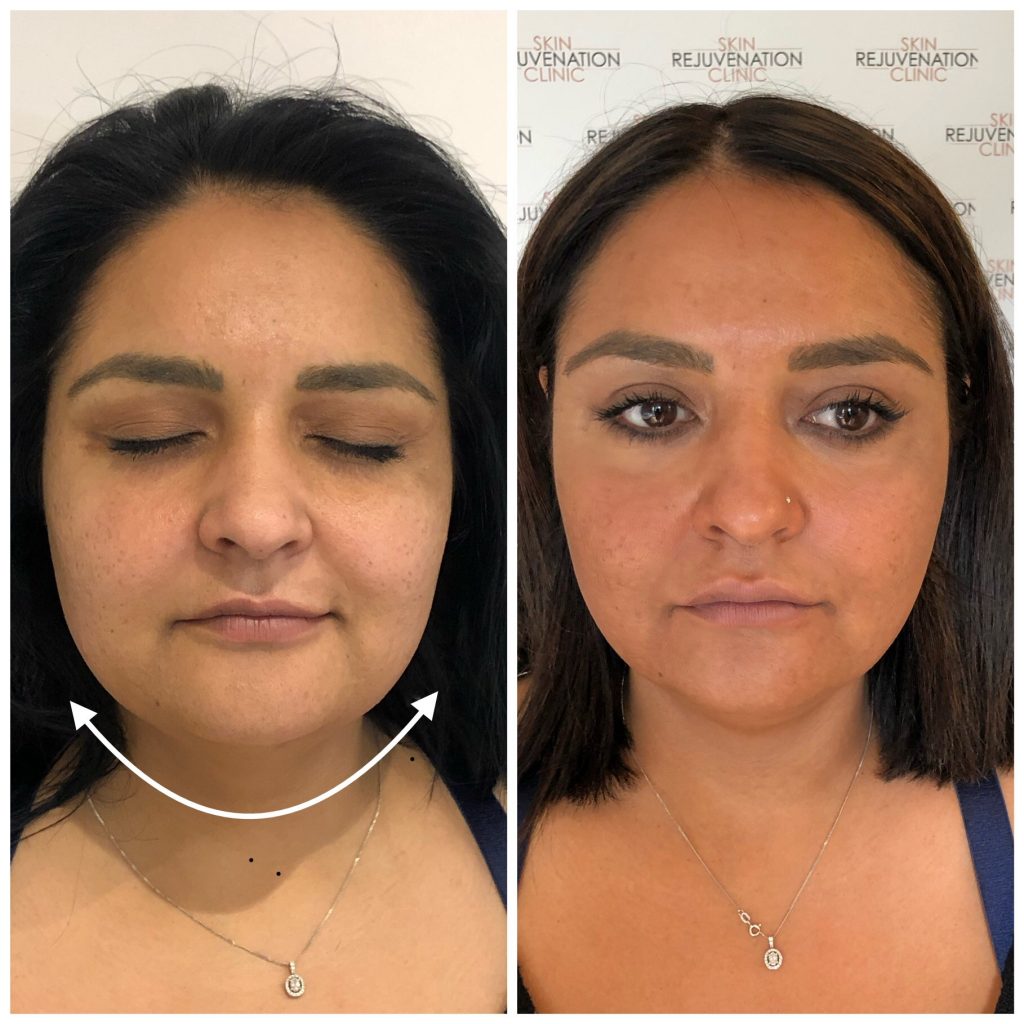
Younger patients often experience longer-lasting effects.
How to Maintain HIFU Results Long-Term
Healthy Lifestyle Choices
Stay hydrated
Eat collagen-supporting foods
Avoid smoking
Skincare Maintenance
Daily SPF
Regular moisturisation
Antioxidant serums
Follow-Up Treatments
Some patients choose:
Annual HIFU touch-ups
Combination treatments for enhanced results
Is HIFU Aftercare Different for Face vs Neck?
Yes, slightly.
Neck & jawline areas:
May feel tighter longer
Benefit more from posture awareness
Require extra sun protection
Your practitioner will provide personalised guidance.
Is Mild Discomfort Normal After HIFU?
Yes. Mild tenderness or sensitivity:
Is temporary
Indicates collagen activation
Usually resolves within days
Severe pain is rare — contact your clinic if discomfort persists.
When Should You Contact Your Clinic?
Reach out if you experience:
Persistent swelling beyond 72 hours
Unusual pain
Skin irritation that worsens
Professional guidance ensures optimal healing.
Why Choose Professional HIFU Care?
At HIFU Facelift, treatments are performed using:
Advanced ultrasound technology
Customised treatment protocols
Expert aftercare guidance
This ensures both safety and superior results.
Explore our HIFU Facelift service:
Final Thoughts
A HIFU facelift delivers powerful, natural-looking results — but aftercare is the secret to maximising its benefits. With the right post-treatment care, patients can enjoy firmer, lifted skin that continues improving over time.