Is HIFU Worth the Money? Realistic Results & Expectations Explained

When it comes to skin tightening and rejuvenation, there’s a lot of buzz around HIFU facelifts, especially in major cities like London. Many people wonder if the HIFU treatment is worth the money—after all, it promises significant results like skin tightening, lifting, and wrinkle reduction without the need for surgery.
If you’re considering HIFU (High-Intensity Focused Ultrasound) for your skin, you’re likely wondering about the cost, results, and whether it’s the right option for your aesthetic goals.
In this blog, we’ll break down the realistic results you can expect from HIFU, explain the cost factors, and help you understand if HIFU is truly worth the investment. Read on to discover everything you need to know about this non-surgical facelift treatment.

What is HIFU and How Does It Work?
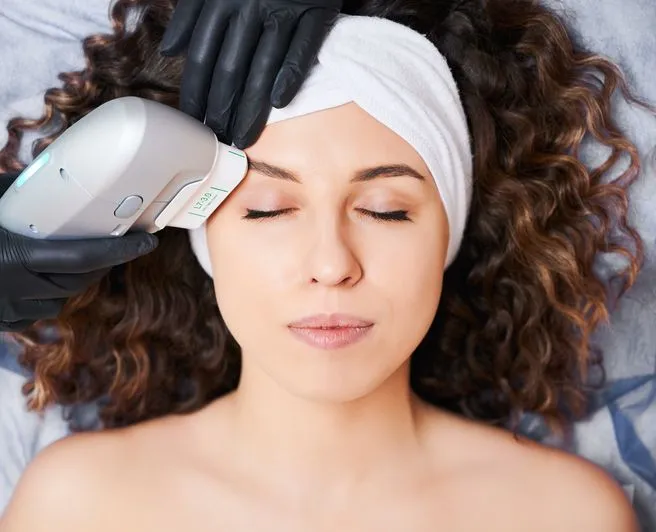
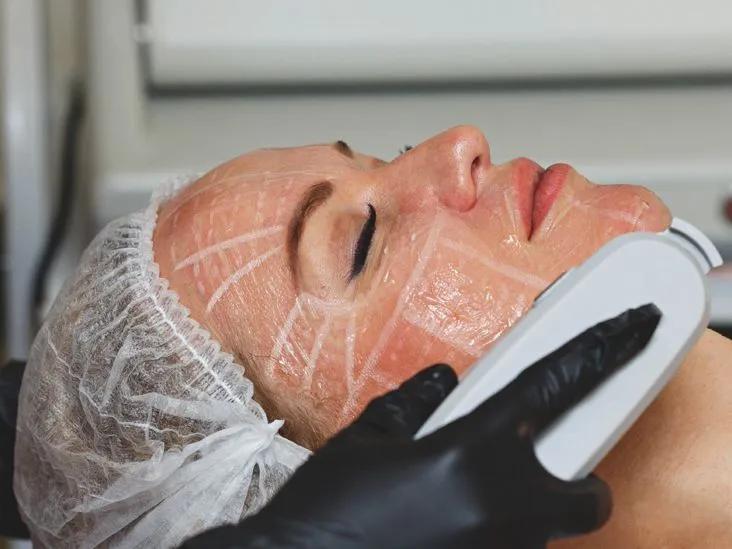
HIFU (High-Intensity Focused Ultrasound) is a non-surgical skin treatment that uses ultrasound waves to target the deep layers of the skin. These waves work by generating heat energy at specific depths to stimulate collagen production, which results in firmer and smoother skin over time.
Unlike traditional facelifts, HIFU doesn’t require any incisions or stitches, making it a non-invasive procedure that’s more affordable and accessible to a wider audience. The treatment is often referred to as a non-surgical facelift because it lifts and tightens the skin without the need for surgery.
Realistic Results from HIFU
One of the most important factors when deciding if HIFU is worth the money is understanding the realistic results you can expect. While HIFU can offer significant improvements, it’s essential to keep your expectations aligned with what the treatment can actually deliver.
What Can HIFU Improve?
HIFU is effective at tightening and lifting areas of the face and neck that have begun to show signs of sagging or ageing. Some of the most commonly treated areas include:
- Jawline: A well-defined jawline is one of the first things to show signs of sagging as we age. HIFU can help lift and define the jawline, reducing the appearance of jowls.
- Cheeks: Over time, the cheeks can begin to droop and lose their fullness. HIFU can help rejuvenate the cheeks, restoring some of the volume and firmness.
- Neck: The neck area often shows the effects of ageing more prominently. HIFU can tighten the skin on the neck, providing a more youthful look.
- Wrinkles: While HIFU isn’t a direct treatment for fine lines and wrinkles, it can help reduce their appearance by tightening the skin and stimulating collagen.
How Soon Will You See Results?
While some people report seeing initial tightening immediately after treatment, the full effects of HIFU typically appear over 2–3 months. This gradual improvement happens because collagen takes time to rebuild, and HIFU stimulates collagen production deep within the skin layers.
The results are long-lasting. You can expect to enjoy the tightening and lifting effects for up to 12–18 months, depending on your age, skin condition, and lifestyle. After this period, you may opt for maintenance treatments to keep the results.
Is HIFU Worth the Money? Breaking Down the Costs
The cost of HIFU can vary depending on several factors, including the clinic’s location, the area being treated, and the experience of the practitioner.
In London, you can expect the cost of a HIFU facelift to range from £500 to £2,500 per session, depending on the treatment area and clinic.
What Factors Affect the Cost of HIFU?
- Treatment Area: Larger areas, like the full face and neck, will cost more than smaller, localized treatments like the jawline or under-eye area.
- Clinic Location: Treatments in major cities like London tend to be more expensive due to higher operating costs.
- Number of Sessions: Some individuals may require multiple sessions to achieve their desired results, which can increase the overall cost.
- Experience of the Practitioner: Highly skilled and experienced practitioners may charge a premium for their services, but their expertise can lead to more successful outcomes.
Is HIFU a Good Investment?
While HIFU treatments may seem expensive upfront, they are often more affordable than traditional facelifts, which can cost £5,000 or more for a single procedure. Additionally, HIFU offers long-lasting results, meaning you don’t need to undergo frequent treatments or take time off work for recovery.
Since HIFU requires minimal downtime and delivers gradual, natural-looking results, many people feel that the cost is worth it when compared to invasive surgical options.

How to Get the Most Out of Your HIFU Treatment
If you’ve decided that HIFU is worth the investment, here are a few tips to ensure you get the most out of your treatment:
1) Follow Aftercare Instructions
After your HIFU treatment, you may experience some redness or mild swelling in the treated areas, but this typically subsides within a few hours to a couple of days. To maximize your results:
- Avoid direct sun exposure for a few days.
- Hydrate and maintain a healthy skincare routine.
- Avoid makeup for the first 24 hours if your skin feels sensitive.
2) Be Patient
HIFU works by stimulating collagen production, so the results will develop gradually over the course of 2–3 months. Don’t expect instant results, but rest assured that the effects will become more noticeable as your skin naturally rejuvenates.
3) Consider Maintenance Treatments
While HIFU results can last up to 18 months, maintenance treatments can help you preserve the lifting and tightening effects over time. Your practitioner can help determine the best timeline for follow-up sessions.
HIFU vs Other Anti-Aging Treatments: What’s the Best Option for You?
There are many non-invasive treatments available for skin tightening and rejuvenation. Here’s how HIFU compares to some popular alternatives:
HIFU vs Botox
- Botox targets dynamic wrinkles caused by repetitive muscle movements (like forehead lines or crow’s feet).
- HIFU targets skin laxity and sagging, stimulating collagen production for long-term lifting and tightening.
- Botox offers immediate results but requires regular injections, whereas HIFU provides lasting results with minimal downtime and a one-time session.
HIFU vs Dermal Fillers
- Dermal fillers are used to restore volume and plump up areas like the cheeks, lips, and under the eyes.
- HIFU is best for skin tightening, lifting the overall structure of the face.
- Fillers provide instant volume, while HIFU delivers long-term tightening and rejuvenation.
FAQs About HIFU Facelift
Find us
Book a Consultation Today
For consultation at the HIFU Clinics, simply complete the Enquiry form below, and we’ll reach out to schedule your appointment with one of our clinic specialists.